Search This Blog

Showing posts with label emergency preparedness kit. Show all posts

Tuesday, June 8, 2010

Preparation before an earthquake strikes

Pin It
Have you ever been in an earthquake?  If the answer is yes, then you have a pretty good idea of the truthfulness of a Japanese proverb.  "A disaster comes when it is forgotten."  It means that disasters strike when you least expect them.  Earthquakes are notorious for its uninvited, unexpected, and destructive visits.  There are no warnings beforehand.  No phone calls, no e-mails, no text message to tell you it is coming.  What can you do to prepare for this "uninvited guest"?

Before an earthquake
Federal Emergency Management Agency recommends that you take the following 6 steps for earthquake preparation well before an earthquake strikes.
  1. Check for hazards in the home
  2. Identify safe places indoors and outdoors
  3. Educate yourself and family members
  4. Have disaster supplies on hand
  5. Develop an emergency communication plan
  6. Help your community get ready
Check for hazards in the home
The key is to take a good look around your house and think about what would happen if an earthquake strikes.  Are there tall bookcases or shelves?  You can increase your chance of earthquake survival by simply fastening the shelves to the wall and storing heavy items on the bottom of the shelf and lighter items towards the top.  Dishes and other glass items should be stored in cabinets with doors that would not pop open in an earthquake.  Remember to check for loose electrical wires and gas lines.  One of the most common secondary disaster in an earthquake is fire caused by broken gas lines and loose electrical wires.

Identify safe places indoors and outdoors
Sturdy tables and desks are great places to take cover while the quake continues.  It is good to stay away from windows and other glass items that could break.  When you are outdoors, stay outdoors.  Keep away from buildings, telephone poles, highway overpass, and any other things that may come down at you.

Educate yourself and your family members
Learn about earthquakes.  Take time to teach your family when and how to shut the gas, electricity, and water off.  Much damage could be prevented by simply shutting off the gas.

Have disaster supplies on hand


Tools to help you shut off gas and water is an important item that must be included in your earthquake preparedness kit.
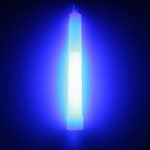


In an environment where gas may be leaking, it is important to have a safe source of light.  Lighting a match in an earthquake could cause more damage than the benefit intended to provide.  A simple light stick is an inexpensive, safe way to provide light in an earthquake.  Flashlights are also acceptable combined with extra batteries and bulbs.  It is even better to have self-charging flashlights to prevent battery power outage. 


Develop an emergency communication plan
It is highly likely for family members to become separated in an earthquake if it occurs during the day. FEMA recommends that you make a plan as a family to get reunited.  It is also a good idea to have an emergency contact out of state.  Ask a friend or a relative to be your contact for emergencies.


Help your community get ready
Surviving a disaster is a community effort.  Get in touch with local emergency services as well as representatives from your local gas companies and learn about what you should do in an emergency.

The important thing to remember when preparing for earthquakes is to prepare for secondary disasters.  Fire is a very common problem that occurs after an earthquake due to broken gas lines and loose electrical connections.  Stay tuned for more on earthquake preparedness.  Next time, we will discuss about what we should do during an earthquake.

Wednesday, June 2, 2010

How to assemble a 72 hour kit

Pin It
In an emergency, whether it be natural disaster or man made, it is more than a good idea to have a 72 hour kit.  You and your family's lives may depend on your level of preparedness.  Here are some areas you should consider while assembling your 72 hour kit. 

Container - Everything should be stored in one place in a container that is easy for you to grab.   Consider using items like a backpack, a bucket, a carry-on luggage, or a plastic tote.

Light - Include some kind of source of light such as flashlights, candles, lanterns, and light sticks.  It is a good idea to get a self-charging flashlight to eliminate the risk of running out of power.

Food and Water - Include food and water with long shelf life.  It is also good to have items that will help you obtain drinkable water (water purification tablets, portable stove, stainless cups, etc.)  Be sure to check the expiration dates periodically to keep them up to date. 

Weather Protection - Whether the climate is hot or cold, you must have items that will help you protect yourself from the elements.  Include items like portable tents, emergency blankets, ponchos, a change of clothes, shoes, waterproof matches, kindling, etc.     
                                    
Communication  - A simple radio can help you obtain information necessary to protect you and your family from potential harm.  If the radio requires batteries keep in mind to include extra batteries.  There are also radios that are rechargeable that would eliminate the risk of running out of power. 

First Aid and Medical Needs - A first aid kit is a must-have for all 72 hour kits, however, it is also important to include your personal prescription medication if you have any.  If you require glasses, don't forget to include a pair of glasses as well.

Cash in small bills - When the power goes out, it may be impossible to buy things using credit cards.  Keep some cash in your 72 hour kit in small bills as well as some change.  

Sanitation and Personal Hygiene - Being able to meet your sanitation and hygiene needs in an emergency is not only a good idea, but it also helps you relieve the stress that always come with an emergency.  Tooth brush, tooth paste, hand sanitizer, deodorant and other items are some of the items to be included in your 72 hour kit.  

Other tools - It is also good to include some tools to help you survive an emergency.  Among them are items like ropes, multi-function knife, duct tape, pry bar, and cell-phone chargers.